Home/Resources/Blog
27 July 2026
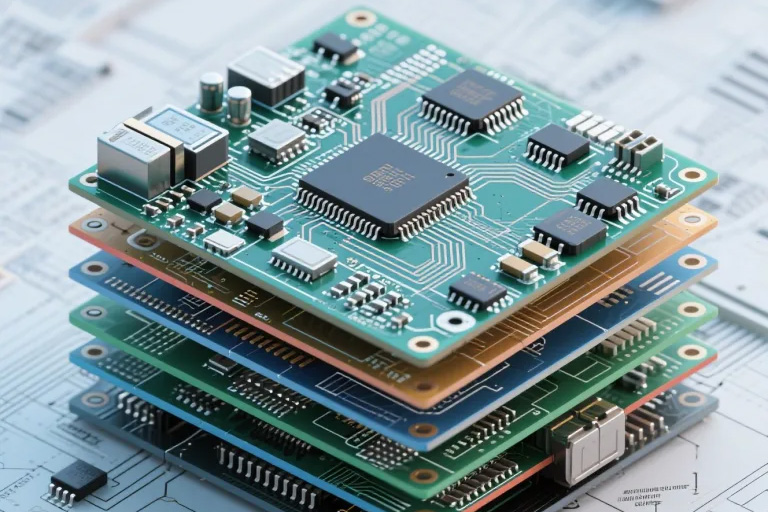
PCB layer stackup is one of the most important decisions in high-performance board design. For OEMs developing products with high-speed interfaces, strict EMI requirements, or dense routing, stackup planning directly affects signal integrity, power delivery, impedance control, and manufacturability
27 July 2026
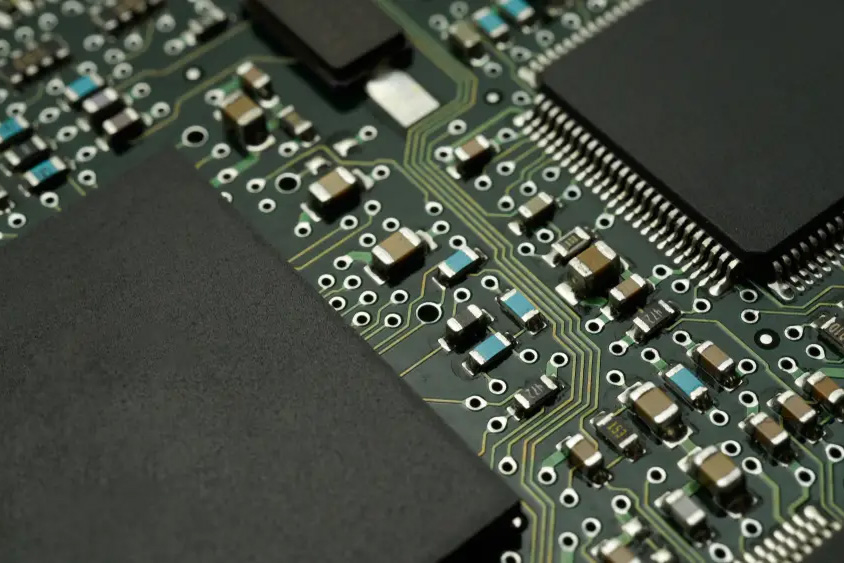
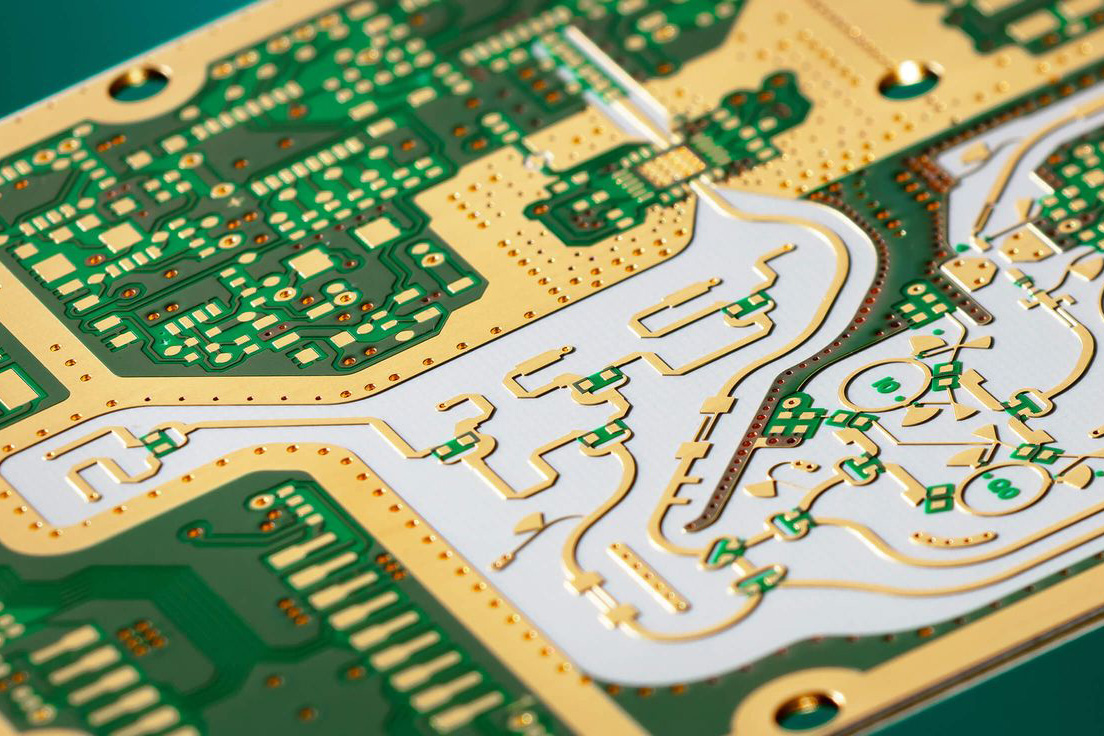
High-frequency electronics are used in advanced systems that operate at GHz-level signal speeds, where PCB performance becomes highly sensitive to design precision.  As operating frequencies increase, even minor variations in layout, materials, or routing can have a measurable impact on overall signal behavior.
27 July 2026
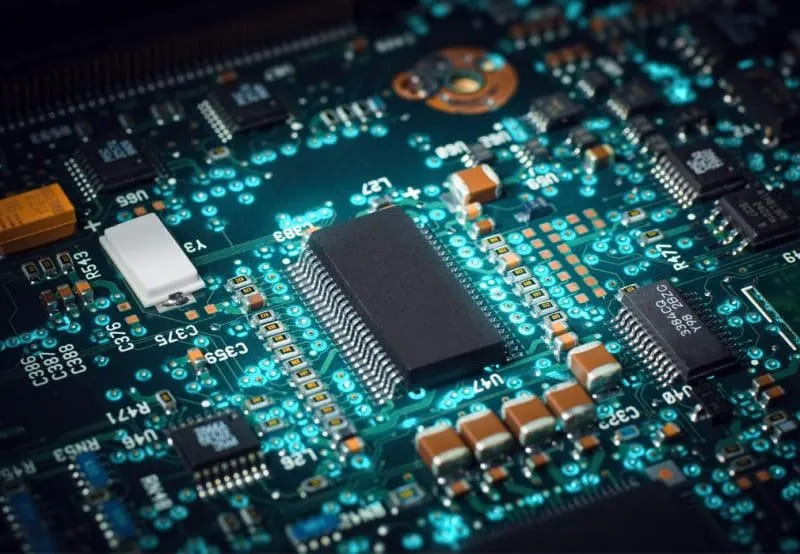
Modern electronic devices are becoming smaller, faster, and more powerful, increasing the need for efficient integrated circuit (IC) integration in PCB designs. From smartphones and medical devices to aerospace and industrial systems, ICs play a critical role in determining product performance and reliability.
27 July 2026
There’s a lot that goes into the design and fabrication of a printed circuit board, but the assembly process is just as important. If you aren’t using a reputable provider who follows best practices, your project could end up facing costly delays.
27 July 2026
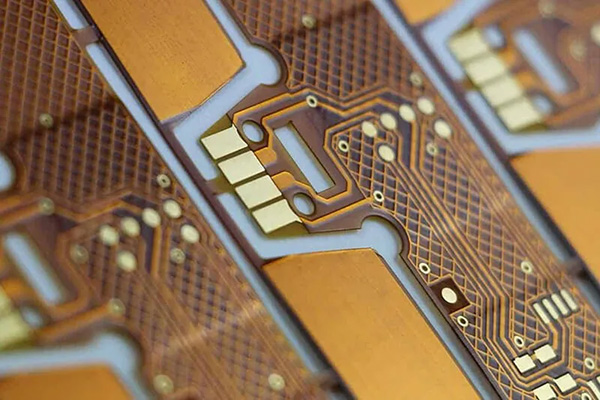
Flexible circuits are ideal for projects where it’s important to save weight and space and incorporate complex designs. There are three types of flexible circuits — flex, rigid-flex, and flex high density interconnect (HDI)— but what types of material do they require? In this guide, we cover how to select the right materials, plus popular stackups, copper types, and much more.
27 July 2026
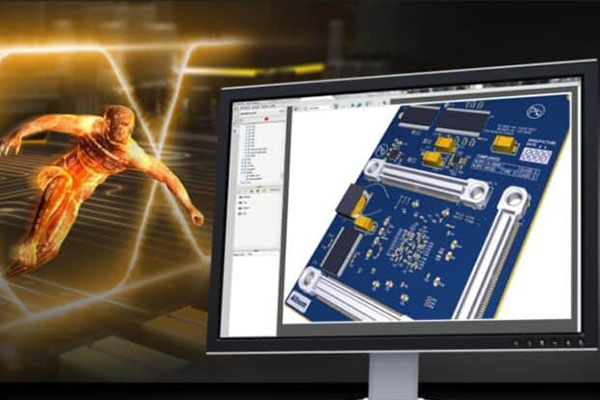
If you’re in the market for a PCB design and layout tool, you’ve likely come across Altium and Allegro — two of the more popular options on the market. While both serve the same purpose, there are some differences that we’ll highlight in this comparison guide. Keep reading for the complete overview.